
 1582 N Waggoner Rd Ste b, Blacklick, OH 43004
 614-762-2737
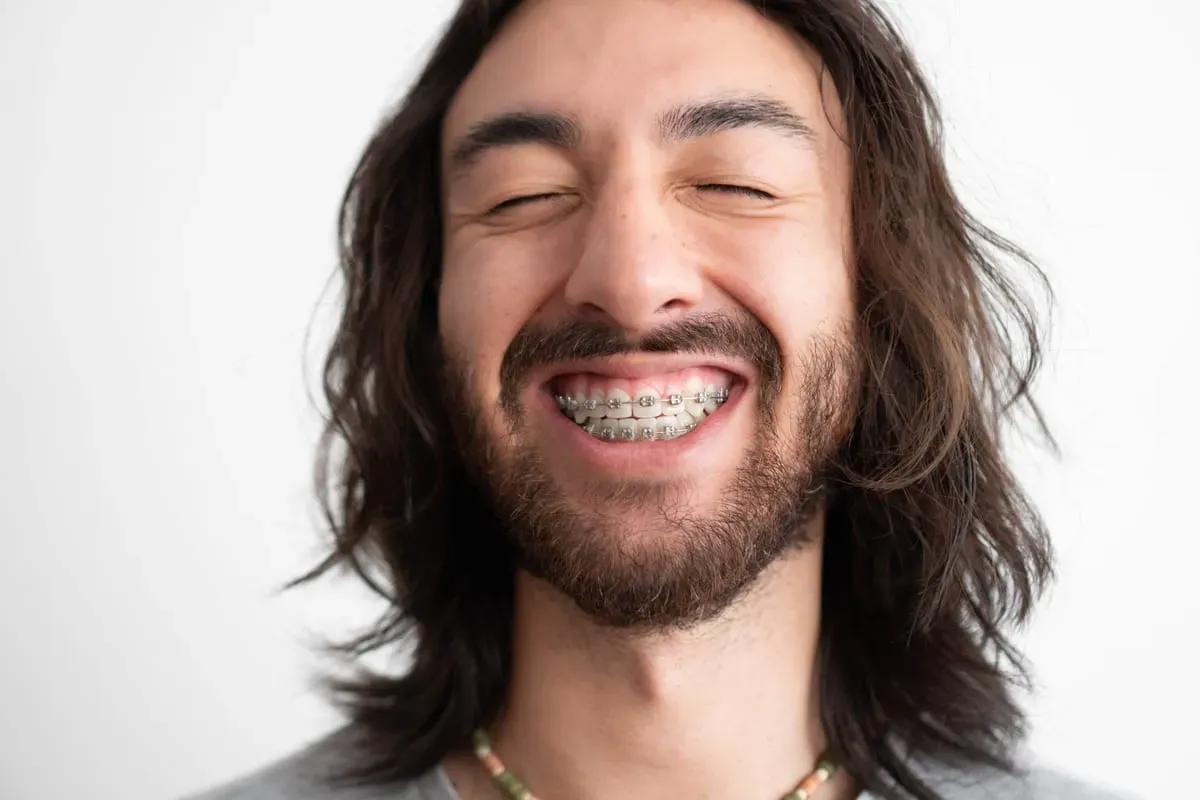
If you've put off straightening your teeth because you didn't want a mouth full of metal, you're not alone. Most of the adults and teens who walk through our doors in Blacklick ask the same question first: "Is there a way to fix this without everyone noticing?" For the majority of patients, the answer is yes, and it comes in the form of a clear plastic tray that quietly does its job while you go about your regular life.
Invisalign has changed what orthodontic treatment looks like for a huge number of people. Instead of brackets and wires, you wear a series of custom-made clear aligners that gradually shift your teeth into a better position. There's no awkward adjustment period where your cheeks get used to metal, no food restrictions that make dinner out stressful, and no visible hardware in your work photos or wedding pictures.
This article walks through how the treatment actually works, who tends to be a good candidate, what the day-to-day experience is like, and the practical questions patients in Blacklick ask us most often before committing to treatment.
In This Article
How Invisalign Clear Aligners Actually Move Your Teeth
Invisalign treatment starts with a digital scan of your teeth rather than the messy putty impressions of years past. That scan gets mapped out into a full treatment plan showing exactly how your teeth will move, tray by tray, from their starting position to the final result. From there, a series of custom aligners is manufactured specifically for your mouth, each one slightly different from the last.
Each aligner applies gentle, controlled pressure to specific teeth. You wear one set for roughly one to two weeks before moving on to the next tray in the sequence, and with each swap, your teeth inch closer to their planned position. Because the movements are mapped digitally from the start, both you and our team can preview a simulation of your projected smile before treatment even begins.
The aligners are made from a smooth, medical-grade plastic with no sharp edges or metal brackets to irritate your cheeks or gums. Most patients find the material comfortable enough to forget they're wearing anything after the first few days of each new tray.
Are You a Good Candidate for Clear Aligner Treatment?
Invisalign handles a wider range of orthodontic issues than people often assume. It's commonly used for crowding, gaps between teeth, mild to moderate bite misalignment, and relapse cases where teeth have shifted back after previous braces. Modern refinements to the aligner system, including attachments and precision cuts in the trays, have expanded what clear aligners can correct compared to earlier versions of the product.
That said, it isn't the right fit for every situation. Severe bite problems, significant jaw discrepancies, or certain complex rotations may respond better to traditional braces or a combination approach. The only reliable way to know is a hands-on evaluation, which is why we start every consultation with a full exam and digital scan rather than guessing from a quick look.
- Crowded or overlapping teeth: Gradual tray adjustments create space and realign crowded sections without extractions in most cases.
- Visible gaps: Aligners close spaces between teeth steadily, often with more predictable control than removable retainer-style devices.
- Mild bite issues: Certain overbite, underbite, and crossbite patterns respond well, especially when caught early.
- Relapse after braces: If teeth have drifted since your teenage orthodontic treatment, aligners can quietly correct the shift as an adult.
What Daily Life Looks Like During Treatment
One of the biggest draws of Invisalign is how little it disrupts your routine. The trays are removable, so you take them out to eat, brush, and floss exactly as you normally would. There's no brushing around brackets or threading floss under wires, and there's no list of forbidden foods like popcorn, caramel, or crunchy apples that patients with metal braces have to avoid.
For treatment to stay on schedule, the aligners need to be worn around 20 to 22 hours a day, which means they come out mainly for meals and oral hygiene. Most patients adjust within the first week and stop thinking about them as anything unusual. Because the plastic is clear, coworkers, clients, and classmates typically don't notice you're wearing them at all unless you point it out.
We also recommend staying consistent with regular dental cleanings during treatment, since a clean, cavity-free mouth helps aligners fit properly and keeps your overall oral health on track while your bite is shifting. If you develop a cavity mid-treatment, our team can coordinate care using tooth-colored fillings that blend in and won't interfere with your aligner trays.
How Long Treatment Takes and What It Costs
Treatment length varies quite a bit depending on how much movement your teeth need. Minor correction cases might wrap up in as little as four to six months, while more involved crowding or bite correction can take 12 to 18 months or occasionally longer. During your consultation, we'll give you a specific estimate based on your digital scan rather than a generic range, since every mouth moves differently.
Cost depends on the complexity of your case and the number of aligner trays required. Many patients find the total investment comparable to traditional braces, and we work with most dental insurance plans that include orthodontic benefits. We also offer financing options so treatment fits realistically into a monthly budget rather than requiring one large payment upfront.
Your consultation is the best place to get real numbers. We'll review your scan, explain exactly what your case involves, and lay out your payment options clearly before you commit to anything.
Invisalign vs. Traditional Metal Braces
Both treatments can produce excellent results, so the decision usually comes down to lifestyle, case complexity, and personal preference. Metal braces are fixed to the teeth and work continuously, which can make them slightly more efficient for very complex bite corrections. Invisalign relies on patient discipline since the trays are removable, but the trade-off is far greater comfort and discretion for day-to-day life.
Adults in particular tend to gravitate toward clear aligners because they don't want visible hardware affecting how they look in client meetings, interviews, or everyday social situations. Teens benefit too, especially those involved in sports or music where mouth guards and instruments can be complicated by brackets and wires.
Whichever direction fits your situation, straighter teeth also tend to be easier to keep clean, which supports better long-term outcomes across other areas of care, including reducing the strain that can lead to issues requiring root canal treatment down the line from untreated decay in hard-to-reach, crowded spots.
Protecting Your Results After Treatment Ends
Finishing your last aligner tray isn't quite the finish line. Teeth have a natural tendency to drift back toward their original position over time, which is why a retainer phase is a standard part of every Invisalign plan. Most patients wear a retainer full-time for a period after treatment, then shift to nighttime-only wear to lock in the results long term.
This is also a great point to think about the rest of your smile. Many patients who straighten their teeth go on to ask about teeth whitening or broader cosmetic dentistry options to finish the look they've worked toward, since a straighter smile often makes whitening results look even more even and polished.
Key Takeaways
- Invisalign uses a series of custom clear trays to move teeth gradually, without brackets or wires.
- It works well for crowding, gaps, relapse cases, and many mild to moderate bite issues.
- Aligners need 20 to 22 hours of daily wear and come out for eating and brushing.
- Treatment time typically ranges from 4 to 18 months depending on case complexity.
- A retainer phase after treatment is essential to protect your new smile long term.
Frequently Asked Questions
Does Invisalign hurt?
Most patients feel mild pressure or soreness for the first day or two after switching to a new tray, which is a sign the teeth are moving. It's generally much milder than the discomfort reported with metal braces tightening appointments.
Can teenagers use Invisalign, or is it only for adults?
Teens are excellent candidates for Invisalign, especially once their adult teeth have fully come in. Compliance indicators built into certain aligner systems help parents and our team confirm the trays are being worn consistently.
Will I need to come in for frequent appointments?
Check-ins are typically spaced every six to eight weeks to monitor progress and hand over your next batch of trays, which is considerably less frequent than the monthly adjustments required with traditional braces.
What happens if I lose or crack an aligner tray?
Contact our office right away. Depending on where you are in treatment, we may have you move temporarily to the previous or next tray in the series, or we can arrange a replacement so your timeline stays on track.
How do I start the Invisalign process?
It begins with a consultation and digital scan so we can evaluate your bite and show you a projected treatment plan. From there, we'll discuss timeline, cost, and next steps based on your specific case.
A Straighter Smile Without the Compromise
Clear aligner therapy has made it realistic for working adults, busy parents, and image-conscious teens to straighten their teeth without rearranging their entire routine. There's no hiding behind metal wires, no awkward photos during the process, and no long list of off-limit foods to navigate at every meal or event.
If you've been curious about what Invisalign could do for your smile, the best next step is a conversation with our team. A short consultation and digital scan will tell you exactly what's possible for your teeth, how long treatment would take, and what it would involve, so you can make the decision with real information rather than guesswork.