Patient Comfort
Calm, comfortable dental care for patients who feel anxious, need extensive work, or simply want a relaxed visit from start to finish.
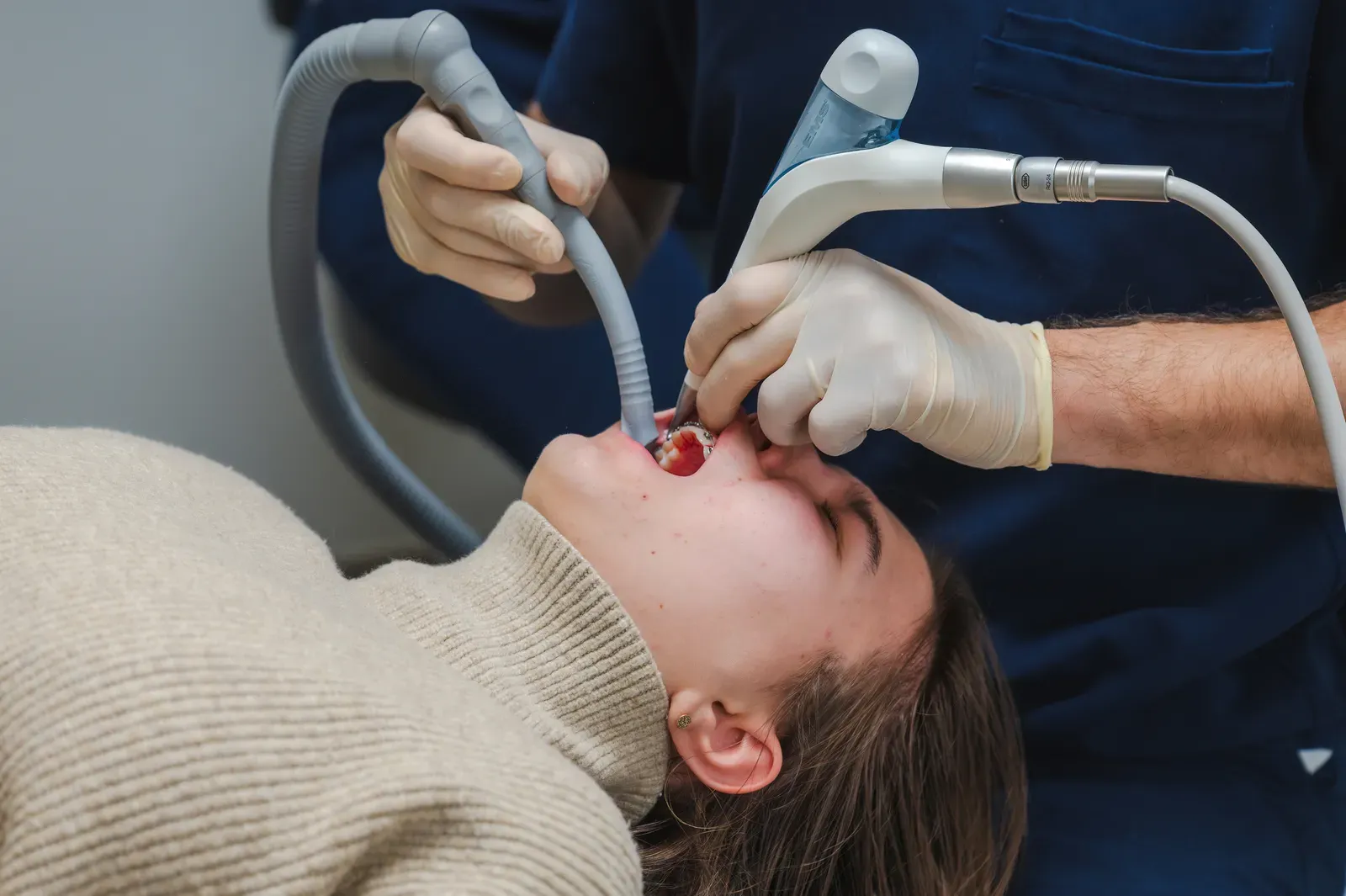
Dental anxiety keeps too many people away from care they genuinely need. Maybe a past experience left you tense in the chair, or the sounds and sensations of a dental visit set off a wave of unease before you even sit down. Whatever the reason, that nervousness is real, and it's something our team at Havens Family Dental takes seriously rather than brushing aside.
Sedation dentistry gives us a way to help you get through treatment comfortably, whether that means a mild dose of nitrous oxide to take the edge off during a routine cleaning or oral conscious sedation for a longer, more involved procedure. The goal is always the same: you leave your appointment having received the care you needed without the dread that might have kept you away for months or years beforehand.
We also use sedation for patients who don't necessarily have dental fear but who need multiple procedures completed in a single visit, have a sensitive gag reflex, or simply find it hard to sit still for extended periods. Our approach starts with an honest conversation about your history and comfort level so we can recommend the sedation option that actually fits your situation rather than a one-size-fits-all solution.
Dental anxiety and discomfort show up differently for everyone. Some patients notice physical symptoms before an appointment, while others simply avoid scheduling visits altogether. Recognizing these patterns can help you and our team decide whether sedation is a good fit for your next appointment.
If any of these sound familiar, a thorough conversation with our team about your medical history, current medications, and specific concerns helps us determine whether sedation is appropriate and which type will work best. Skipping this evaluation and simply pushing through anxiety often leads to worse outcomes, including postponed treatment and more complex problems down the road.
Dental fear rarely comes from a single source. Understanding what's driving your anxiety helps us tailor both the sedation approach and the overall visit to your specific needs.
A painful procedure or a dismissive provider earlier in life can leave a lasting imprint, making even routine cleanings feel threatening years later.
The sound of a drill, the smell of dental materials, or bright overhead lighting can overwhelm the senses and spike anxiety before treatment even begins.
Lying back in a chair with someone working in your mouth creates a feeling of vulnerability for many people, especially those who struggle with anxiety generally.
Patients requiring extractions, implants, or multiple procedures in one visit often feel apprehensive about the length and intensity of the appointment.
People who experience anxiety in other areas of life often find that it carries into the dental chair, making calm, patient communication especially important.
Fear formed during childhood dental visits, whether from personal experience or stories heard from others, often persists well into adulthood without intervention.
Every sedation plan starts with listening. Here's how we guide you from that initial conversation through a relaxed, well-supported appointment.
We talk through your specific concerns, past experiences, and what's triggered your anxiety in the past. This conversation shapes every decision that follows.
We review your full medical history, current medications, and any allergies to determine which sedation method is safe and appropriate for your body.
We recommend nitrous oxide, oral conscious sedation, or another approach based on the procedure length, your anxiety level, and your overall health.
Throughout your procedure, our team monitors your vital signs and comfort level closely, adjusting as needed so you stay relaxed from start to finish.
We give you clear aftercare instructions, arrange for a ride home if needed, and check in afterward to confirm you're recovering comfortably.
Sedation dentistry does more than mask nerves for a single appointment. Done well, it changes your entire relationship with dental care going forward.
You arrive at your appointment without the usual dread, and that calm often carries into future visits as trust builds between you and our team.
With sedation, we can often complete multiple procedures in a single appointment, reducing the number of separate visits you need to schedule.
Many patients recall little to none of the procedure itself, which removes the cumulative buildup of negative memories that often fuels future avoidance.
Once sedation helps you get through the backlog of needed treatment, routine checkups and cleanings become far easier to keep up with going forward.
Consistent care made possible through sedation helps prevent small problems from becoming larger, more expensive, and more invasive to treat later.
Patients with strong gag reflexes, chronic pain conditions, or sensory sensitivities often find treatment far more tolerable with the right sedation support.
Nitrous oxide, often called laughing gas, is inhaled through a small nasal mask and takes effect within minutes. It produces a light, pleasant sense of calm while leaving you fully conscious and able to respond to our team throughout the procedure. Because it wears off quickly once the mask is removed, most patients can drive themselves home and resume normal activities right after their appointment.
Oral conscious sedation works differently. You take a prescribed medication before your appointment, which produces a deeper state of relaxation, sometimes accompanied by drowsiness or partial memory loss of the procedure. This option suits patients with more significant anxiety or those undergoing longer, more involved treatment, though it does require someone to drive you home afterward since the effects linger longer than nitrous oxide.
Both methods allow you to breathe and respond normally throughout treatment; neither puts you fully "under" the way general anesthesia would. Choosing between them depends on your anxiety level, the complexity of the procedure, and your personal health history, all of which we review carefully before recommending a specific approach.
A few simple habits before and after your visit help sedation work more smoothly and support a quicker, more comfortable recovery.
If oral sedation is planned, avoid eating for the specified window beforehand to reduce nausea and keep the medication working as intended.
Oral sedation requires a driver, so confirm transportation in advance rather than scrambling to find a ride the morning of your appointment.
Loose, comfortable clothing helps you relax more fully in the chair and makes monitoring equipment easier for our team to apply.
Plan to rest for the remainder of the day following oral sedation, since grogginess and reduced coordination can last several hours.
Bring an updated list of medications and supplements so we can check for interactions with the sedative before your appointment.
Tell us about any new symptoms, anxiety spikes, or concerns as soon as they come up, even on the morning of your visit.
These steps make your appointment go more smoothly, but they're not a substitute for the clinical evaluation we perform before recommending any sedation method. Always follow the specific pre- and post-care instructions our team gives you for your particular situation.
"We never rush patients who are nervous about dental work. Taking the time to explain sedation options and answer every question first makes all the difference in how comfortable someone feels in the chair."
Answers to common questions about sedation dentistry at Havens Family Dental in Blacklick, Ohio.
BOOK YOUR VISIT
Join the Blacklick families who trust Havens Family Dental. New patients and emergencies are always welcome.
 1582 N Waggoner Rd Ste b, Blacklick, OH 43004
 614-762-2737