614-762-2737 Book Appointment

Restorative Dentistry

Tooth-Colored Fillings in Blacklick, Ohio

Repair cavities discreetly with durable, natural-looking composite resin that blends seamlessly with your smile and protects your tooth's long-term health.

Tooth-Colored Fillings in Blacklick, Ohio
Restorative Care

Tooth-Colored Fillings in Blacklick, Ohio

A cavity rarely announces itself with much warning. It often starts as a small spot of decay that gradually spreads through the enamel, and by the time you feel sensitivity to hot, cold, or sweets, the damage has usually reached deeper tooth structure. Left untreated, that small area of decay can grow into something that threatens the nerve of the tooth, turning a simple filling into a root canal or extraction. At Havens Family Dental, we treat these early signs seriously, using tooth-colored composite fillings to stop decay in its tracks while preserving as much of your natural tooth as possible.

Unlike the dark metal fillings many of our patients remember from childhood, composite resin fillings are custom-tinted to match the exact shade of your surrounding teeth. The material bonds directly to the tooth, which means less drilling is required compared to older filling techniques, and the result blends in so well that most people won't notice you have a filling at all. For families in Blacklick, this matters whether the patient is a nine-year-old with a first cavity on a molar or an adult replacing an aging silver filling that has started to crack.

Our approach starts with a thorough exam and digital X-rays to measure exactly how deep the decay has progressed, because that determines whether a simple filling will do the job or whether a different restoration is needed. We never recommend treatment you don't actually need, and we always walk you through what we see before any drilling begins. Our goal is a comfortable visit, a filling that looks natural, and a tooth that goes back to functioning the way it should.

Schedule a Consultation

Signs You May Need a Filling

Tooth decay doesn't always hurt right away, which is why routine checkups catch most cavities before a patient ever feels anything. Still, there are warning signs worth paying attention to between visits, and recognizing them early can mean the difference between a simple filling and a more involved procedure.

  • Sensitivity to Temperature: A sharp twinge when drinking something hot or cold often points to decay that has reached the inner layers of the tooth.
  • Discomfort While Chewing: Pain or pressure when biting down can signal a cavity has weakened the structure around a specific tooth.
  • Visible Dark Spots: Brown, black, or gray discoloration on a tooth's surface is frequently a sign of active decay beneath the enamel.
  • Rough or Pitted Texture: Running your tongue over a tooth and feeling a rough divot usually means enamel has broken down in that spot.
  • Food Getting Trapped: A cavity can create a small pocket where food consistently lodges, even after brushing and flossing carefully.
  • Lingering Sweet Sensitivity: Discomfort that continues well after eating sugary foods often indicates decay has progressed past the surface.
  • A Cracked or Failing Old Filling: Older metal fillings can shrink, crack, or loosen over time, allowing bacteria to seep underneath.
  • Visible Holes or Pits: A small hole you can see or feel with your fingernail is a clear sign decay has formed a cavity.
  • Bad Breath That Won't Resolve: Persistent odor localized to one area of the mouth can sometimes be traced back to trapped decay.
  • No Symptoms at All: Many cavities are completely painless in their early stages and are only discovered during a professional exam and X-rays.

Because so many cavities develop silently, we always recommend a professional evaluation rather than waiting for pain to show up. Catching decay early keeps treatment simple, affordable, and far less invasive than addressing a problem that has had months or years to spread.

What Actually Causes Tooth Decay

Cavities rarely come from a single cause. They usually develop from a combination of everyday habits, oral bacteria, and factors that are sometimes outside a patient's direct control. Understanding what contributes to decay helps us tailor both your treatment and your prevention plan.

Frequent Sugar and Starch Exposure

Bacteria in the mouth feed on sugars and starches, producing acid that erodes enamel. Frequent snacking throughout the day gives these bacteria repeated opportunities to attack your teeth.

Inconsistent Oral Hygiene

Skipping flossing or brushing less than twice a day allows plaque to harden and accumulate in hard-to-reach spots between teeth, which is where many cavities first form.

Dry Mouth

Saliva naturally washes away food particles and neutralizes acid. Certain medications and medical conditions reduce saliva flow, leaving teeth more vulnerable to decay.

Deep Grooves in Molars

Back teeth naturally have pits and grooves that trap food and bacteria more easily than smooth surfaces, making them especially prone to developing cavities.

Acidic Foods and Drinks

Sodas, coffee, citrus, and sports drinks soften enamel over time, making teeth more susceptible to decay even with otherwise good brushing habits.

Skipped Dental Checkups

Without regular cleanings and exams, early decay goes undetected far longer, giving it more time to spread deeper into the tooth before treatment begins.

Genetics and Enamel Strength

Some people are simply born with thinner or softer enamel, which makes them more prone to cavities regardless of how carefully they care for their teeth.

From First Exam to a Fully Restored Tooth

Every filling we place follows a careful, unhurried process designed around your comfort. Here's what you can expect from the moment you sit in the chair to the moment you walk out with a fully repaired tooth.

1

Initial Consultation & Discussion

We start by talking through your symptoms, reviewing your dental history, and addressing any concerns or anxieties you may have about the visit ahead.

2

Comprehensive Clinical Evaluation

Digital X-rays and a visual exam let us measure exactly how deep the decay reaches and confirm that a composite filling is the right solution for the tooth.

3

Shade Matching & Treatment Plan

Before any drilling, we select a composite resin shade that matches your natural tooth color precisely, so the finished filling blends in invisibly.

4

Gentle Care Delivery

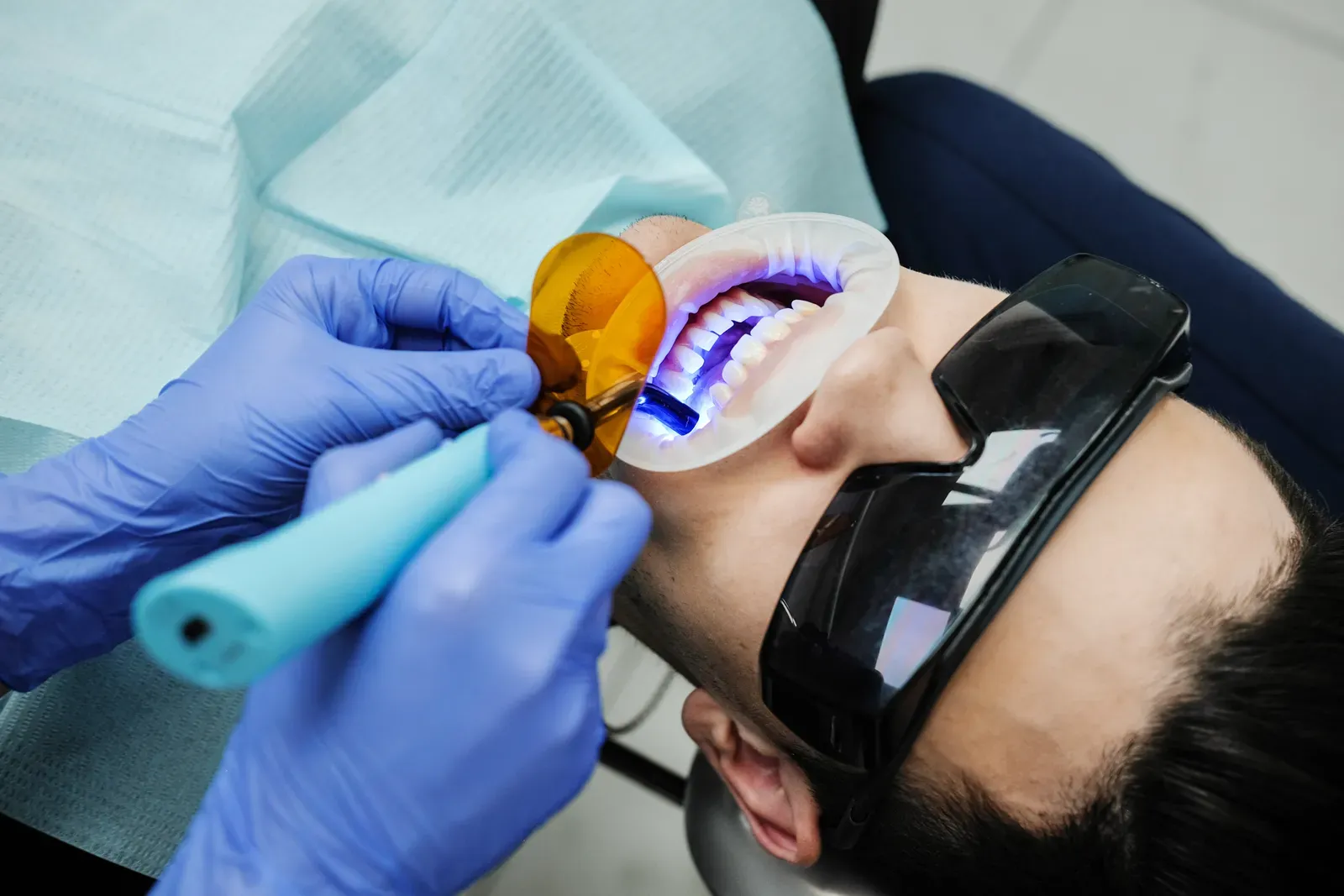
Using local anesthesia for comfort, we remove the decayed portion of the tooth, clean the area thoroughly, and bond the composite resin in precise layers that are cured and shaped to match your bite.

5

Ongoing Support & Follow-Up

We polish the finished filling, check your bite for comfort, and go over simple care tips so the restoration lasts for years, with follow-up checkups at your regular cleanings.

What a Healthy, Restored Tooth Looks Like

A well-placed composite filling does more than patch a hole. It restores the tooth's full strength and appearance, letting you forget it's even there while protecting the tooth from further damage down the road.

Natural, Invisible Results

Composite resin is shade-matched to your tooth, so the filling disappears into your smile rather than standing out like dark metal fillings often do.

Stronger, More Conservative Repair

Because composite bonds directly to enamel, less healthy tooth structure needs to be removed compared to older filling materials, preserving more of your natural tooth.

Relief from Sensitivity and Pain

Sealing out bacteria and restoring the tooth's shape eliminates the sharp twinges from hot, cold, or sweet foods that often prompted the visit in the first place.

A Single, Efficient Visit

Most composite fillings are completed in one appointment, meaning you walk out with a fully repaired, functional tooth the same day you come in for treatment.

Mercury-Free Peace of Mind

Composite resin contains no mercury or metal alloys, which is an important consideration for families who prefer metal-free restorative options for their children.

Prevention of Future Decay

A well-sealed filling stops bacteria from re-entering the tooth, reducing the chance that decay will return or spread to surrounding structures over time.

Why Composite Resin Outperforms Older Filling Materials

Older amalgam fillings work by mechanically wedging into a cavity that's been shaped to hold the metal in place, which often requires removing healthy tooth structure beyond just the decayed portion. Composite resin works differently. It bonds directly to the tooth at a microscopic level using a chemical adhesive process, which means your dentist can remove only the decayed material and leave the rest of the tooth intact. This conservative approach keeps your natural tooth stronger over the long run.

Metal fillings also expand and contract with temperature changes at a different rate than natural tooth enamel. Over years of exposure to hot coffee and cold drinks, this constant flexing can create tiny cracks around the edges of the filling, allowing bacteria to seep underneath and cause decay to form again beneath the surface. Composite resin expands and contracts much closer to the rate of natural enamel, reducing this risk considerably and helping the restoration last longer without failing at the margins.

There's also the matter of how a filling affects the appearance and feel of your smile day to day. Patients who've had silver fillings for years often describe a constant awareness of metal in their mouth, especially when biting into something cold. Composite resin feels and looks far more like a natural tooth, which is part of why it has become the standard choice for cavities in visible areas of the mouth, including front teeth and premolars that show when you smile or talk.

Caring for Your Filling Between Visits

A composite filling can last well over a decade with the right daily habits. These simple practices help protect both the restoration and the natural tooth structure surrounding it.

Brush Twice Daily with Fluoride Toothpaste

Consistent brushing clears away plaque buildup around the edges of your filling, where new decay is most likely to start if left unchecked.

Floss Around Restored Teeth Gently

Careful flossing removes trapped food particles between teeth, preventing bacteria from accumulating near the margins of your new filling.

Limit Sugary and Acidic Snacks

Reducing frequent soda, candy, and citrus exposure protects both your filling and the surrounding enamel from developing new areas of decay.

Avoid Chewing on Hard Objects

Ice, pens, and fingernails can chip or crack a composite filling, so it's best to keep hard, non-food items away from your back teeth.

Keep Up with Routine Checkups

Regular visits let us monitor the condition of your filling and catch any early signs of wear or new decay before they become a bigger problem.

Mention Teeth Grinding to Our Team

If you grind your teeth at night, a custom nightguard can protect your fillings from excessive wear and prevent them from cracking under pressure.

These habits go a long way toward extending the life of your filling, but they're never a substitute for professional monitoring. If you ever notice sensitivity, a rough edge, or a change in how your bite feels, give us a call so we can take a look.

"We know going to the dentist for a filling can feel stressful, especially for kids. Our whole team focuses on explaining every step clearly and keeping you comfortable, so the visit feels calm from start to finish."
Clinical Team•Havens Family Dental
FAQs

Frequently Asked Questions

Answers to common questions about tooth-colored fillings at Havens Family Dental in Blacklick, Ohio.

How long do tooth-colored fillings last?
With good oral hygiene and regular checkups, composite fillings typically last between seven and ten years, and many last much longer. Their lifespan depends on the size of the filling, where it's located, and habits like grinding or biting hard objects. We check every existing filling during your routine cleanings to catch any early signs of wear.
Does getting a filling hurt?
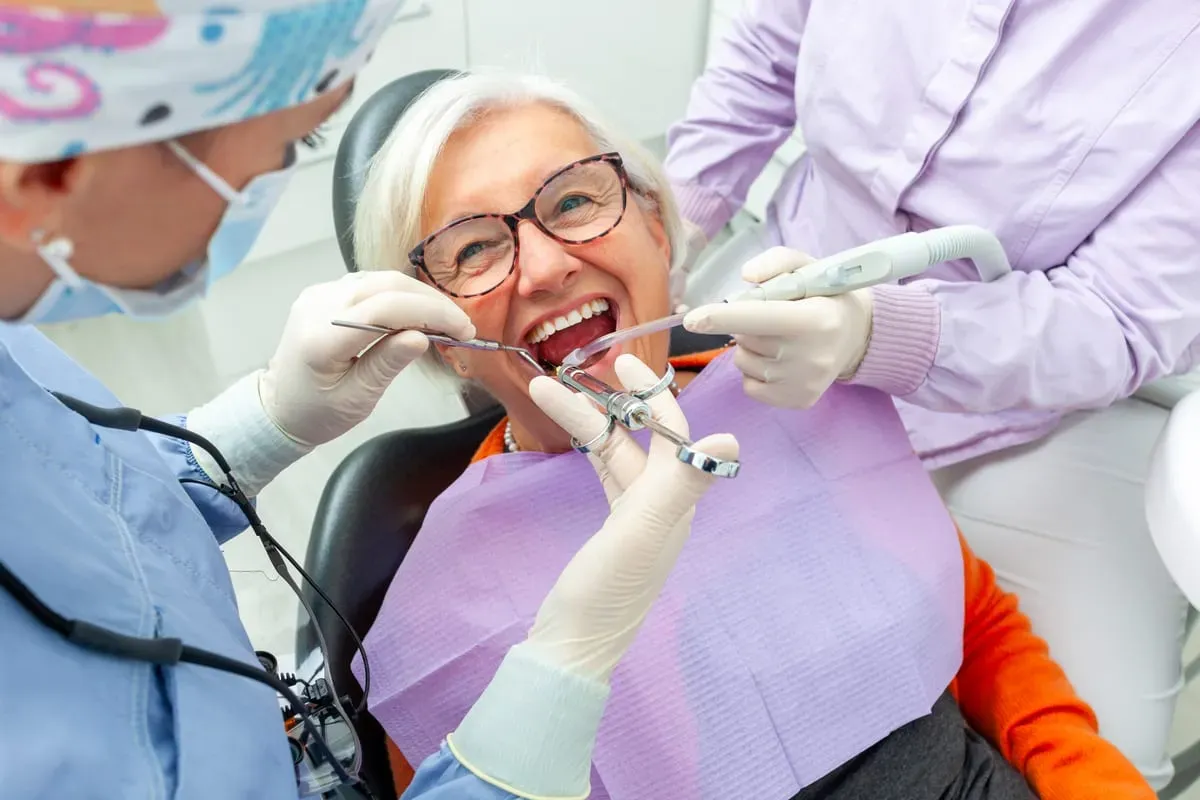
We numb the area with local anesthesia before treatment, so most patients feel little to no discomfort during the procedure itself. Some mild sensitivity to pressure or temperature is normal for a day or two afterward, but this typically fades quickly. If you experience dental anxiety, let our team know so we can help you feel at ease.
Can you replace my old silver fillings with tooth-colored ones?
Yes, we routinely replace older amalgam fillings with composite resin, especially when the existing filling is cracked, discolored, or showing signs of wear at the edges. We examine the tooth first to confirm there's no deeper decay underneath before placing the new restoration. Many patients choose to update their fillings purely for a more natural appearance.
How long does the filling appointment take?
Most single fillings are completed in thirty to sixty minutes, depending on the size and location of the cavity. If you're having multiple fillings placed in the same visit, we'll let you know ahead of time how much extra chair time to plan for. In nearly all cases, you leave the same day with a fully restored tooth.
Are tooth-colored fillings covered by dental insurance?
Most dental insurance plans cover composite fillings at least partially, often at a similar rate to older amalgam fillings. Coverage details vary by plan and sometimes by location in the mouth, so our front desk team will verify your specific benefits before treatment. We also offer financing options for any remaining out-of-pocket cost.
Are tooth-colored fillings strong enough for back teeth?
Modern composite resin is formulated to withstand the chewing forces generated by molars and premolars, making it a reliable choice for back teeth in most situations. For very large cavities or teeth that bear exceptionally heavy bite force, we may recommend a crown instead, and we'll discuss that option with you if it applies.
What should I expect right after my filling is placed?
The composite resin hardens immediately under a curing light, so you can eat and drink again as soon as the numbness wears off, usually within a few hours. It's common to notice mild sensitivity to temperature for a day or two. If your bite feels uneven or discomfort lingers beyond a few days, call us so we can make a quick adjustment.

BOOK YOUR VISIT

Start your family dentistry journey in Blacklick

Join the Blacklick families who trust Havens Family Dental. New patients and emergencies are always welcome.