A child's first few years of dental visits shape how they feel about the dentist's office for the rest of their life. At Havens Family Dental, we built our children's dentistry program around one simple goal: making every visit calm, positive, and genuinely comfortable for kids of every age, from a baby's very first tooth through the bumpy years of losing baby teeth and welcoming adult ones.
Baby teeth do far more work than most parents realize. They hold space for permanent teeth, guide proper jaw development, and support clear speech and confident chewing. When a cavity, misalignment, or habit like thumb-sucking goes unaddressed, it can quietly affect how a child eats, speaks, and smiles for years to come. Our pediatric team watches for these small warning signs early, long before they become bigger, more costly problems.
We also know that a nervous child usually means a nervous parent sitting in the waiting room. That is why our approach centers on gentle communication, age-appropriate explanations, and a treatment philosophy that never rushes a child who needs an extra minute to feel safe. Families throughout Blacklick trust us because we treat every child the way we would want our own kids treated.
Children do not always tell us when something hurts or feels off, and symptoms can show up differently depending on age, temperament, and how comfortable they already feel discussing their mouth. Watching for these patterns helps you know when it is time to schedule a visit rather than wait for a routine checkup.
Complaints of tooth pain: Even brief mentions of a sore tooth, especially around chewing or hot and cold foods, often point to early decay that is easier to treat while small.
Visible white or brown spots: Chalky white patches or brown discoloration on teeth can be the first stage of a cavity forming beneath the enamel surface.
Swollen or bleeding gums: Pink-tinged toothbrushes or puffy gum tissue around baby teeth usually signal plaque buildup that needs professional cleaning.
Persistent thumb or pacifier habits: Extended sucking habits past age three or four can begin shifting how the front teeth and jaw align.
Mouth breathing or snoring: These patterns can indicate airway or jaw development concerns that a pediatric dental exam can help identify.
Reluctance to chew on one side: Favoring one side of the mouth often means there is discomfort or sensitivity the child has not verbalized yet.
Delayed or early tooth loss: Baby teeth falling out well before or after the typical schedule can affect how permanent teeth come in.
Bad breath that does not improve: Ongoing bad breath despite regular brushing can point to bacteria buildup, decay, or gum irritation.
Fear or anxiety about brushing: Sudden resistance to brushing a specific area of the mouth can mean a tooth is sensitive or sore.
No dental visit in the last six months: Routine checkups catch problems long before a child ever feels pain, which is why consistent scheduling matters so much.
Catching these signs early almost always means simpler, gentler treatment. A thorough exam lets our team address small concerns before they grow into something that requires more involved care or causes a child real discomfort.
Understanding Why Cavities and Dental Issues Develop in Kids
Children's dental problems rarely come from a single cause. More often, a few everyday habits and biological factors combine, and recognizing them helps families make small adjustments that protect young smiles long-term.
Frequent Sugary Snacks and Drinks
Juice, soda, and sticky snacks coat teeth in sugar that bacteria convert into acid. Frequent grazing throughout the day keeps that acid attack going far longer than three regular meals would.
Thin Enamel on Baby Teeth
Primary teeth have noticeably thinner enamel than adult teeth, which means decay can take hold and progress faster. This is one reason pediatric checkups happen more frequently than adult visits.
Inconsistent Brushing Technique
Young children often lack the hand coordination to brush thoroughly on their own. Missed spots along the gumline and back molars become easy targets for plaque buildup.
Genetic and Developmental Factors
Tooth spacing, enamel strength, and jaw shape are partly inherited. Children with naturally crowded teeth or deep grooves often need extra preventive attention regardless of how well they brush.
Prolonged Bottle or Sippy Cup Use
Letting a child fall asleep with a bottle of milk or juice bathes the front teeth in sugar overnight. This habit is a leading cause of early childhood cavities, sometimes called baby bottle tooth decay.
Skipped or Delayed Checkups
Decay can advance quietly between visits that are spaced too far apart. Consistent six-month checkups let us catch and treat problems while they are still small and manageable.
From First Visit to a Lifetime of Healthy Habits
Every child arrives at our office with different experiences and comfort levels, so we tailor our pace and approach for each family while still following a consistent, dependable process.
1
Welcoming Introduction & Conversation
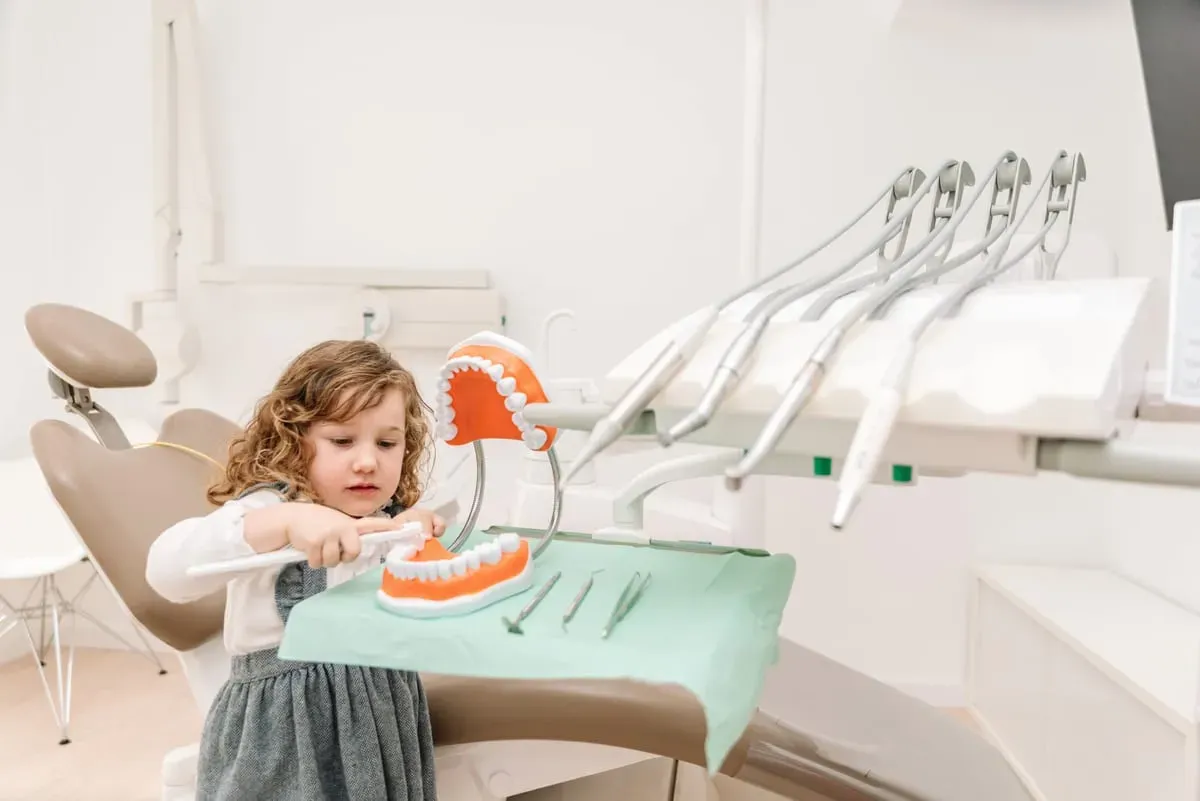
We start by talking directly with your child at their level, showing them the room and tools in a non-threatening way. Parents are welcome to stay close by throughout this first introduction.
2
Gentle Clinical Examination
We check tooth development, bite alignment, and early signs of decay, using child-sized instruments and a soft, narrated approach so nothing feels sudden or surprising.
3
Personalized Prevention Plan
Based on what we find, we outline a plan covering cleanings, fluoride, sealants, or further treatment if needed, explained clearly so you understand exactly what to expect and why.
4
Comfortable Treatment Delivery
Whether it is a routine cleaning or a small filling, we move at a pace your child can handle, pausing to check in and offering distraction techniques that keep anxiety low.
5
Follow-Up Guidance for Home Care
We send families home with practical brushing tips, dietary suggestions, and a clear schedule for the next visit, keeping your child's progress consistent between appointments.
What a Positive Dental Experience Looks Like
Good pediatric dental care goes well beyond a clean set of teeth. It builds the foundation for how your child will approach their own health for decades to come.
Fewer Cavities and Less Decay
Regular checkups and sealants dramatically reduce the chance of cavities forming in the deep grooves of back molars, where most childhood decay starts.
Healthier Jaw and Bite Development
Early monitoring helps us catch crowding, crossbites, or spacing problems while a child's jaw is still growing and far easier to guide.
Lower Dental Anxiety Over Time
Children who have calm, positive early visits carry that confidence into adolescence and adulthood, often becoming far easier patients to treat later in life.
Stronger Speech and Chewing Function
Healthy teeth held in proper position support clear speech patterns and comfortable chewing, both of which affect nutrition and daily communication.
Better Sleep and Reduced Mouth Breathing
Addressing airway and jaw concerns early can reduce nighttime mouth breathing and snoring, supporting more restful sleep for your child.
A Smile They Feel Good About
Cavity-free, well-aligned teeth let kids smile freely at school and with friends, supporting social confidence during formative years.
Why Early Prevention Matters More Than Treatment
Preventive dentistry works because it interrupts the decay process before it ever reaches a nerve. Fluoride treatments strengthen enamel against the acids produced by bacteria, while dental sealants physically block food and plaque from settling into the deep grooves of molars where a toothbrush bristle cannot easily reach. Together, these two simple, painless treatments account for a meaningful drop in childhood cavities among kids who receive them consistently.
Waiting until a child complains of pain usually means the decay has already reached the dentin layer or beyond, which calls for more involved treatment like a filling or, in more advanced cases, a crown or extraction. These procedures take longer, cost more, and ask more of a young patient's patience and comfort than a simple preventive visit ever would.
This is why we build our recommendations around your child's specific risk factors rather than a one-size-fits-all schedule. A child with deep molar grooves or a history of cavities may benefit from more frequent fluoride applications, while another child with excellent home care may need less intervention. Our goal is always to match the level of care to what your child actually needs.
Supporting Your Child's Smile Between Visits
What happens at home between dental visits plays just as big a role in your child's oral health as anything we do in our office. These habits are simple to build into a daily routine.
Brush Twice a Day, Together
Supervise brushing until your child can tie their own shoes, using a pea-sized amount of fluoride toothpaste for two full minutes.
Limit Sugary Drinks
Save juice and soda for mealtimes only, and keep water as the default drink throughout the rest of the day.
Floss Once Teeth Touch
As soon as two baby teeth touch each other, start flossing daily to remove food particles brushing alone cannot reach.
Avoid Bedtime Bottles
Stick to water in bottles or sippy cups at bedtime to protect enamel from prolonged sugar exposure overnight.
Keep Every Six-Month Visit
Consistency matters more than any single visit; routine checkups allow us to track changes over time.
Talk Positively About the Dentist
The language parents use at home shapes a child's expectations, so framing visits as normal and positive makes a real difference.
These habits make a genuine difference, but they work best alongside professional checkups. Home care supports what we do clinically; it does not replace the trained eye needed to catch early decay or developmental changes.
"We never want a child to dread coming to the dentist. Every visit, no matter how small the appointment, is a chance to show them this is a safe, friendly place that cares about their smile."
Clinical Team•Havens Family Dental
FAQs
Frequently Asked Questions
Answers to the questions Blacklick parents ask us most often about children's dentistry at Havens Family Dental.
When should my child have their first dental visit?
We recommend scheduling your child's first dental visit by their first birthday or within six months of their first tooth erupting, whichever comes first. This early checkup lets us monitor development, answer questions about teething and feeding, and get your child comfortable with the office environment well before any issues arise.
Are dental X-rays safe for children?
Yes. We use digital X-ray technology, which emits significantly less radiation than older film-based systems, and we only take images when they provide necessary diagnostic information, such as checking for hidden decay between teeth or monitoring permanent tooth development beneath the gums.
How often should my child see the dentist?
Most children benefit from a checkup and cleaning every six months, which lets us track growth, catch early decay, and reinforce good habits consistently. Children with a higher cavity risk or ongoing orthodontic concerns may need more frequent visits, which we will discuss during their exam.
Do you treat cavities in baby teeth even though they will fall out?
Yes, absolutely. Baby teeth hold space for permanent teeth and support chewing, speech, and jaw development, so an untreated cavity can lead to infection, pain, or early tooth loss that affects how adult teeth come in. Treating decay promptly, even in teeth that will eventually fall out, protects your child's long-term oral health.
What are dental sealants and does my child need them?
Sealants are thin, protective coatings applied to the chewing surfaces of back molars, where deep grooves can trap food and bacteria beyond what a toothbrush can reach. They are a quick, painless preventive step we often recommend for school-age children, and they can significantly reduce the likelihood of cavities forming in those vulnerable areas.
My child is anxious about the dentist. How do you help?
We take dental anxiety seriously and never force a frightened child through a procedure. Our team explains every step in simple, friendly language, offers breaks when needed, and lets kids explore tools before we use them, so each visit builds trust rather than fear.
What should I do if my child chips or knocks out a tooth?
Call our office right away. For a knocked-out permanent tooth, keep it moist in milk or saliva and get to our office as quickly as possible, since prompt action greatly improves the chance of saving the tooth. For baby teeth or chips, we offer same-day emergency appointments to evaluate and stabilize the situation quickly.
Helpful Resources
Learn More About Children's Dentistry
Explore expert tips, guides, and insights from the Havens Family Dental team to help you get the most out of your Children's Dentistry and keep your smile healthy.
 1582 N Waggoner Rd Ste b, Blacklick, OH 43004
 614-762-2737

 Children's Dentistry