 1582 N Waggoner Rd Ste b, Blacklick, OH 43004
 614-762-2737
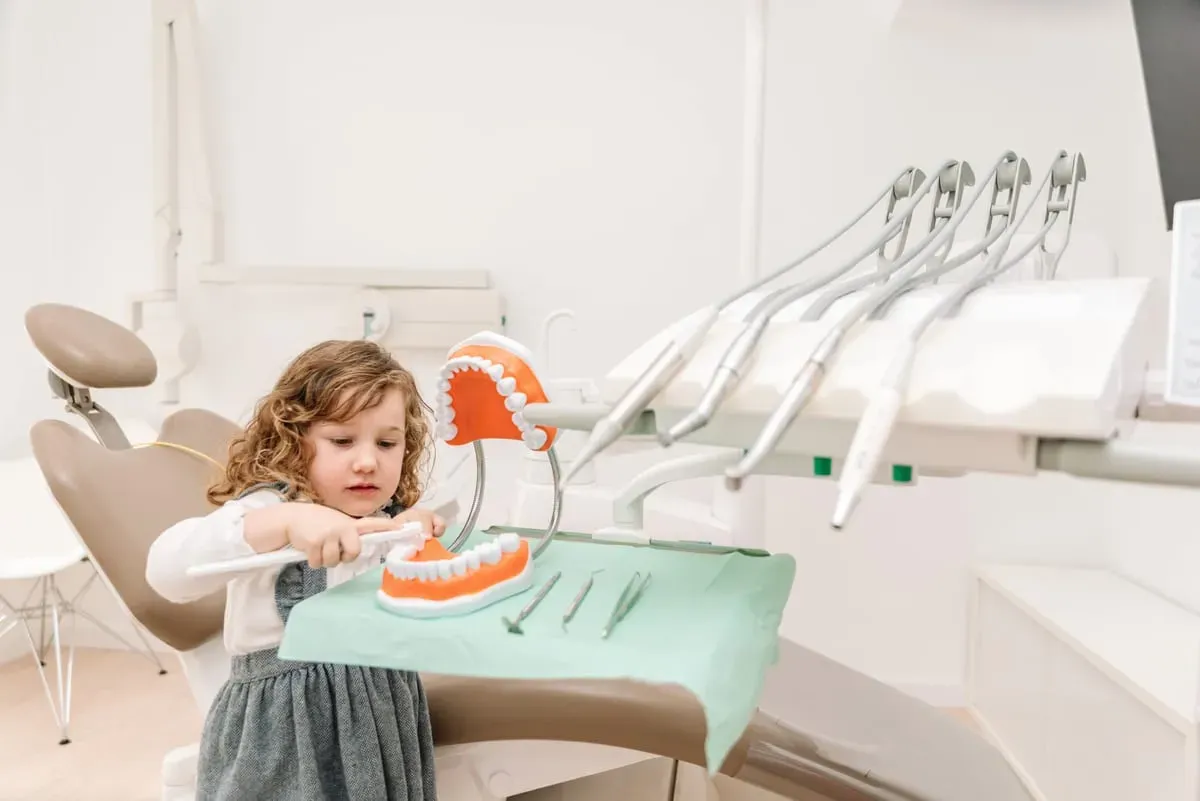
Most parents in Blacklick know their child needs regular dental checkups, but far fewer know what actually makes a pediatric visit different from an adult one, or why the first few years of oral care set the course for a lifetime of healthy teeth. Children's mouths change fast, and the right approach at each stage can mean the difference between a child who looks forward to the dentist and one who dreads it.
At Havens Family Dental, we see firsthand how early, consistent, and gentle dental care shapes a child's relationship with their own oral health for decades. This guide walks through what to expect at each age, how cavities actually form in young teeth, and the preventive steps that make the biggest difference for families in our community.
Whether you are scheduling your toddler's first appointment or trying to get a reluctant eight-year-old through a routine cleaning, understanding the "why" behind each recommendation makes the process far less stressful for everyone involved.
In This Article
When to Schedule Your Child's First Dental Visit
The American Academy of Pediatric Dentistry recommends scheduling your child's first dental appointment by their first birthday or within six months of their first tooth erupting, whichever comes first. This may feel early to parents who assume dental visits start around kindergarten, but those first few months of tooth development are exactly when preventive habits matter most.
An early visit is less about treatment and more about establishing a baseline. We check how teeth are erupting, look for early signs of decay or bite irregularities, and talk through feeding habits, pacifier use, and teething discomfort. It is also an opportunity for parents to ask questions before small issues become bigger ones.
Just as important, that first appointment introduces your child to the dental office in a low-pressure setting. Children who start visiting young generally build familiarity with the environment, the sounds, and the staff, which pays off enormously when they are older and need more involved dental treatment.
How Cavities Form in Baby and Permanent Teeth
Baby teeth have thinner enamel than permanent teeth, which means decay can progress more quickly once it starts. Cavities form when bacteria in the mouth feed on sugars from food and drink, producing acid that gradually breaks down the enamel surface. In young children, frequent snacking, juice, and bedtime bottles are common culprits because they keep sugar in contact with teeth for extended periods throughout the day.
Baby teeth are not simply placeholders that do not matter because "they will fall out anyway." They hold space for permanent teeth, support proper chewing and speech development, and an infected or abscessed baby tooth can affect the permanent tooth developing underneath it. Treating decay promptly in baby teeth protects the whole arch, not just the tooth in question.
- Sippy cups and bottles: Prolonged sipping of milk, formula, or juice throughout the day bathes teeth in sugar repeatedly.
- Grazing snacks: Constant small snacks between meals give bacteria near-continuous fuel compared to eating at set mealtimes.
- Deep molar grooves: Back teeth have natural pits and fissures where food and plaque collect and are harder to brush clean.
- Inconsistent brushing: Children under seven typically lack the fine motor control to brush thoroughly without adult help.
The Role of Sealants and Fluoride Treatments
Dental sealants are thin protective coatings applied to the chewing surfaces of back molars, where most childhood cavities develop. The sealant fills in the natural grooves of the tooth so food particles and bacteria have nowhere to hide, dramatically reducing decay risk in those hard-to-clean areas. Application takes only a few minutes per tooth and does not require anesthesia, making it one of the easiest preventive steps a child can have done.
Professional fluoride treatments work differently but complement sealants well. Fluoride strengthens enamel at a mineral level, making teeth more resistant to the acid produced by plaque bacteria. We typically recommend fluoride varnish applications at routine checkups for children who are at higher risk of decay, including those with a history of cavities or limited fluoride exposure from their home water supply.
Both of these preventive measures are inexpensive compared to the cost of treating an actual cavity, and both are entirely painless. When a small cavity does develop despite good prevention, we address it early with conservative tooth-colored fillings that blend naturally with the surrounding tooth structure.
Building Strong At-Home Habits by Age
What happens at home between dental visits matters more than any single checkup. The habits parents reinforce in the toddler and early school years tend to stick, so it is worth adjusting your approach as your child's dexterity and independence grow.
Infants and Toddlers (0-3 years)
Wipe gums with a soft cloth before teeth erupt, then switch to a rice-grain-sized smear of fluoride toothpaste on a soft-bristled infant toothbrush once the first tooth appears. Avoid letting a child fall asleep with a bottle of milk or juice.
Preschool and Early Elementary (4-7 years)
Increase toothpaste to a pea-sized amount and supervise brushing closely, since most children cannot brush effectively on their own until around age seven or eight. This is also the age when flossing should become part of the daily routine, especially where teeth sit close together.
School Age and Pre-Teens (8-12 years)
Independence grows here, but spot-checking is still worthwhile. This is also the stage when permanent molars erupt and sealants are most valuable, and when many families start thinking ahead to orthodontic needs as adult teeth come in.
Helping an Anxious Child Feel Comfortable in the Chair
It is normal for young children to feel nervous about a new environment, unfamiliar sounds, and someone looking inside their mouth. A good pediatric dental experience is built around pacing, not rushing a child through a checklist of procedures. We explain each step in simple, age-appropriate language before we do it, often called "tell-show-do," so nothing feels sudden or surprising.
Parents can help before the appointment by talking about the visit in neutral, matter-of-fact terms rather than framing it as something scary that requires bribery or reassurance that "it won't hurt." Reading a picture book about visiting the dentist or role-playing with a toothbrush at home can take the mystery out of the experience for younger children.
For children who need more involved care, such as treatment for a cracked tooth or sudden toothache, our team moves at a pace that respects their comfort level while still addressing the problem efficiently. If your child is ever in pain outside of regular office hours, our emergency dental care is available to make sure they are not left waiting in discomfort.
Early Signs Your Child May Need Orthodontic Evaluation
The American Association of Orthodontists recommends a first orthodontic screening around age seven, even though treatment itself, if needed, often waits until more permanent teeth have erupted. At this age, we can usually spot developing issues like crowding, crossbites, or jaw growth patterns well before they become harder to correct.
- Early or late tooth loss: Baby teeth falling out significantly earlier or later than typical can signal a spacing issue worth watching.
- Difficulty biting or chewing: Consistent discomfort or an uneven bite pattern often points toward jaw alignment concerns.
- Mouth breathing or thumb-sucking habits: Prolonged habits past age five can influence how the jaw and palate develop.
- Visible crowding: Teeth that erupt overlapping or rotated often need monitoring even before all adult teeth are in.
For many teens, early guidance leads naturally into straightening options later on, and families who want a discreet path through adolescence often ask us about Invisalign clear braces once their child is old enough to qualify.
Key Clinical Takeaways
- Schedule your child's first dental visit by age one or within six months of the first tooth appearing.
- Baby teeth decay faster than adult teeth and need prompt attention, not a "wait and see" approach.
- Sealants and fluoride varnish are low-cost, painless ways to prevent the majority of childhood cavities.
- Supervise brushing until at least age seven or eight, when most children gain the dexterity to brush well alone.
- An orthodontic screening around age seven helps catch alignment issues while they are easiest to manage.
Frequently Asked Questions
How often should my child have a dental checkup?
Most children benefit from a checkup and cleaning every six months, the same interval recommended for adults. Children with a higher cavity risk or ongoing orthodontic monitoring may be scheduled more frequently based on what we see at each visit.
Is it normal for my child to cry or resist during their first visit?
Yes, this is common, especially for very young children experiencing a new environment for the first time. We focus on gentle pacing and positive reinforcement, and most children become noticeably more comfortable by their second or third appointment.
Do baby teeth really need fillings if they are going to fall out anyway?
Yes. An untreated cavity in a baby tooth can lead to pain, infection, and damage to the permanent tooth developing beneath it. Baby teeth also guide the spacing and alignment of adult teeth, so maintaining their health protects your child's long-term bite.
At what age should I stop supervising my child's toothbrushing?
Most children develop the coordination to brush thoroughly on their own between ages seven and eight, though it is still wise to do an occasional spot-check through the pre-teen years to make sure back molars are not being missed.
What should I do if my child chips a tooth or complains of sudden pain?
Call our office right away rather than waiting for a regular appointment slot. Dental injuries and sudden toothaches in children are best evaluated quickly to prevent further damage or infection.
A Foundation That Lasts Well Beyond Childhood
The habits, checkups, and small preventive decisions made during a child's early years quietly shape their oral health for the rest of their life. Parents who stay consistent with brushing supervision, regular checkups, and preventive treatments like sealants are giving their children a genuine head start on avoiding the cavities, extractions, and more involved procedures that often trace back to gaps in early care.
If your family in Blacklick is due for a checkup or you are planning your child's very first dental visit, our team is glad to walk you through exactly what to expect, answer your questions, and help your child build genuine comfort with dental care from the start.