Oral Surgery
Comfortable, carefully managed extractions for damaged, infected, or crowded teeth, performed with a gentle touch close to home in Blacklick.
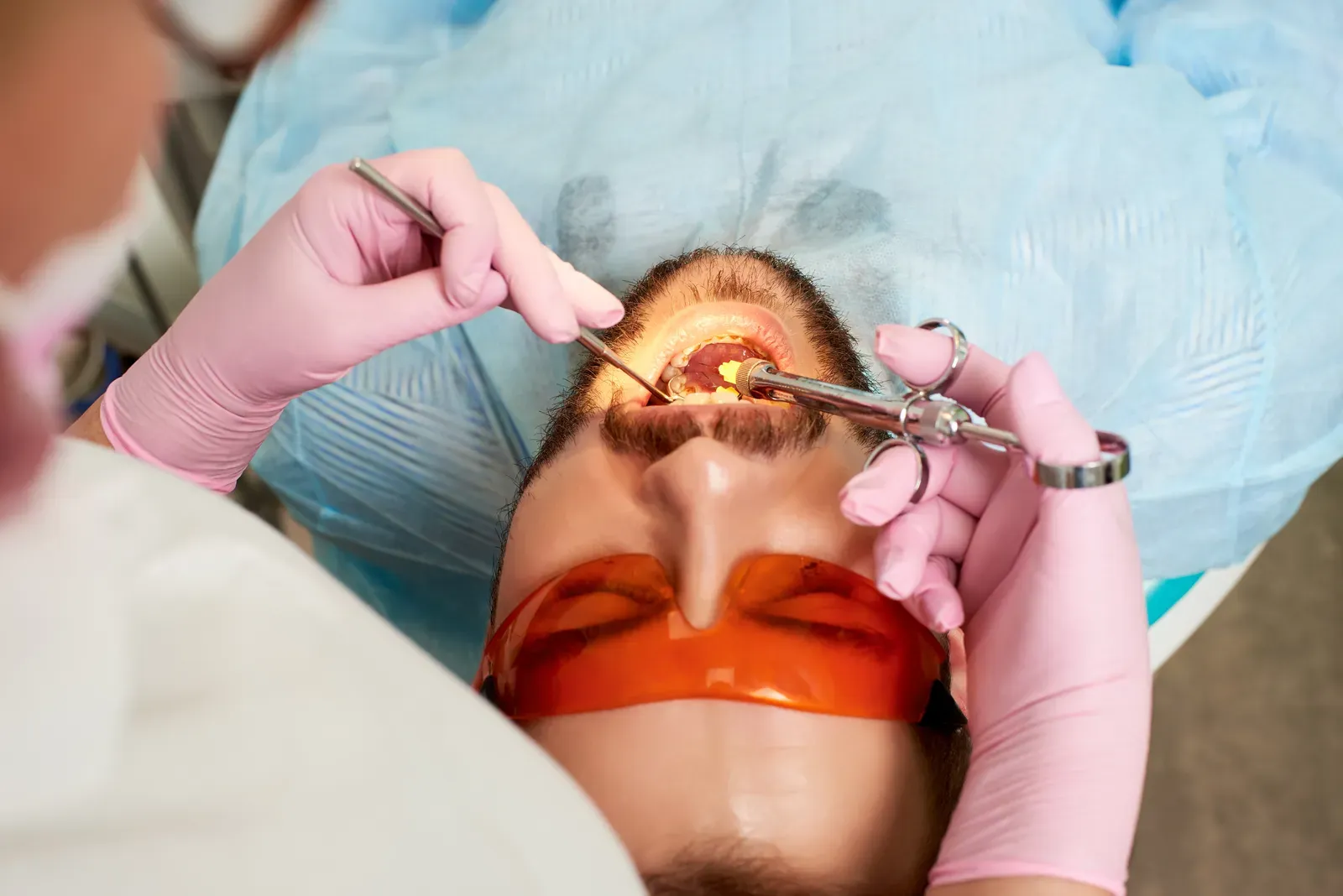
A tooth that is severely decayed, fractured below the gumline, or infected past the point of repair can turn ordinary routines into a daily struggle. Chewing on one side of your mouth, avoiding certain foods, or waking up with a dull ache are signs that your body is asking for help. At Havens Family Dental, we understand that the words "tooth extraction" can bring on some anxiety, which is why we focus on making the entire visit calm, predictable, and as comfortable as modern dentistry allows.
Extractions are sometimes the healthiest path forward - not a failure of care, but a necessary step to stop infection from spreading, relieve pressure on neighboring teeth, or make room for orthodontic treatment or a denture. Our team takes time to review your dental x-rays, discuss your symptoms, and walk through what to expect before, during, and after the procedure, so there are no surprises on the day of your appointment.
We treat every extraction, whether a simple single-rooted front tooth or a more involved molar removal, as part of a bigger picture: your long-term oral health. That means we also talk with you about replacement options like dental implants, bridges, or partials when appropriate, so your bite stays balanced and your smile stays whole.
Not every toothache means extraction, but certain symptoms are strong indicators that a tooth has reached a point where saving it is no longer realistic or healthy. These warning signs can develop gradually or appear suddenly after an injury, which is why we encourage patients to come in as soon as something feels off.
If any of these sound familiar, don't wait it out. Untreated infection can spread to the jawbone, surrounding teeth, and in rare cases, other parts of the body. A thorough exam lets us catch the problem early and choose the gentlest, most conservative treatment possible.
Tooth loss rarely happens for just one reason. More often, a combination of everyday habits, dental history, and anatomy work together over time to put a tooth in jeopardy. Understanding these factors helps patients make sense of why extraction became necessary and how to protect remaining teeth going forward.
When a cavity goes untreated for months or years, bacteria work their way deep into the tooth, destroying structure faster than it can be repaired with a filling or crown.
Periodontal disease slowly breaks down the bone and ligaments anchoring a tooth in place, eventually leaving it too loose to function or save.
A fall, sports injury, or hard bite down on something unexpected can crack a tooth below the gumline where it can no longer be restored.
Limited space in the jaw can trap third molars beneath the gum or push them in at an angle, creating pain, infection risk, and pressure on neighboring teeth.
A tooth abscess that keeps returning, even after antibiotics or a root canal, can signal that the infection has outpaced what the tooth can recover from.
When there isn't enough room for all teeth to align correctly, removing one healthy tooth can allow braces or clear aligners to achieve a stable, lasting result.
Conditions like uncontrolled diabetes can slow healing and make it harder for the body to fight off infection around a compromised tooth.
Every extraction at Havens Family Dental follows a clear, patient-centered sequence. We never rush the process, and we make sure you understand each step before moving forward.
We start by listening to your symptoms and reviewing your dental and medical history so we fully understand what's happening and why it's happening now.
Digital x-rays let us see root shape, bone density, and nerve proximity, giving us a precise picture of what the extraction will involve before we ever pick up an instrument.
We explain whether your case calls for a simple extraction or a more involved surgical approach, discuss anesthesia or sedation options, and answer your questions before scheduling.
Local anesthesia keeps the area completely numb while we carefully loosen and remove the tooth, taking extra time with any tooth that needs sectioning or additional support.
We send you home with clear aftercare instructions, check in on your healing, and discuss replacement options like implants or bridges when they're right for your situation.
Removing a problem tooth isn't just about stopping pain in the moment - it's about restoring function, protecting the rest of your smile, and giving your body a chance to heal fully from an infection that was holding it back.
Once the infected or damaged tooth is removed, the source of the pain is gone, and most patients notice meaningful relief within a day or two.
Removing the infected source prevents bacteria from traveling to neighboring teeth, the jawbone, or beyond, protecting your overall health.
Patients who were avoiding certain foods often find they can return to a full, balanced diet once the painful tooth is no longer in the way.
With the problem tooth gone, we can plan next steps, whether that's healing time, an implant, or a bridge, so your bite stays strong and even.
Once a tooth is removed, the surrounding teeth and jawbone begin adjusting almost immediately. Neighboring teeth can gradually shift into the open space, and the opposing tooth above or below may start to drift as well, which can lead to bite misalignment over time. This shifting isn't always noticeable at first, but it can eventually affect how comfortably you chew and how your teeth come together.
The jawbone itself also responds to the loss of a tooth root. Bone tissue that once supported the tooth starts to resorb, or shrink, because it no longer receives the stimulation it needs from chewing forces. Left unaddressed, this can change the shape of your jaw and face over several years, and it can make future tooth replacement more complicated.
This is why we talk with patients about replacement options at the same visit we discuss extraction. A dental implant, bridge, or partial denture placed in a timely manner helps preserve bone structure, keeps neighboring teeth from drifting, and maintains a bite that functions the way it should for years to come.
The first 48 to 72 hours after an extraction matter most for a smooth, uncomplicated recovery. These simple habits make a real difference in how quickly and comfortably you heal.
Avoid rinsing forcefully, spitting hard, or using a straw for the first 24 hours, since the forming clot is essential to proper healing.
Applying a cold compress in 15-minute intervals during the first day helps keep swelling and discomfort to a minimum.
Yogurt, mashed potatoes, soup, and smoothies give your body nutrition without putting pressure on the healing site.
Starting the day after surgery, a warm, gentle salt water rinse helps keep the area clean without disturbing the clot.
Avoiding strenuous activity for a few days and sleeping with your head slightly raised reduces throbbing and swelling.
Following our prescribed pain relief or antibiotic schedule closely helps prevent infection and keeps discomfort manageable.
These habits support healing, but they're not a substitute for professional guidance. If you notice unusual swelling, fever, or pain that worsens instead of improves, call our office right away.
"We know no one looks forward to having a tooth pulled. Our goal is always to make sure you feel informed, comfortable, and genuinely cared for from the moment you walk in until you're fully healed."
Answers to the questions we hear most from Blacklick patients preparing for a tooth extraction.
BOOK YOUR VISIT
Join the Blacklick families who trust Havens Family Dental. New patients and emergencies are always welcome.
 1582 N Waggoner Rd Ste b, Blacklick, OH 43004
 614-762-2737