 1582 N Waggoner Rd Ste b, Blacklick, OH 43004
 614-762-2737
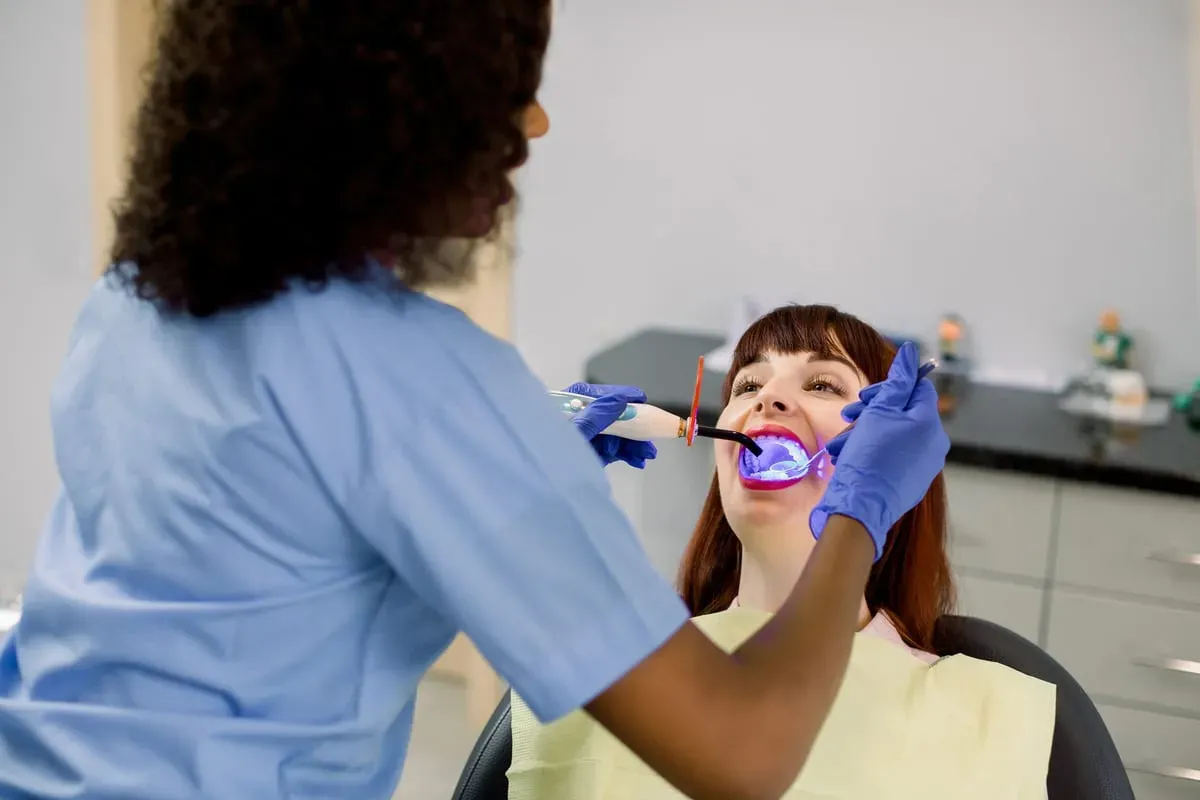
A brighter smile has a way of changing how people see you - and how you see yourself in photos, on video calls, and in the mirror every morning. It's one of the most requested treatments we see here at Havens Family Dental, and for good reason: it's affordable, fast, and the results are dramatic compared to almost any other cosmetic dental procedure.
But not all whitening is created equal. If you've ever walked down the oral care aisle at a Blacklick pharmacy, you know the overwhelming number of strips, pens, gels, and charcoal powders promising a "Hollywood smile" in days. Some of these products help a little. Many do nothing but irritate your gums. None of them come close to what a dentist can do with professional-grade whitening agents and a treatment plan built around your specific teeth.
This article breaks down how whitening actually works at the enamel level, what separates professional treatment from store shelf products, how long you can expect your results to last, and how to keep your smile bright for years after your appointment.
In This Article
How Professional Whitening Actually Lifts Stains
Tooth discoloration happens in two layers. Surface stains, called extrinsic stains, build up on your enamel from coffee, red wine, tea, tobacco, and dark sauces. Deeper stains, called intrinsic stains, form inside the tooth structure itself over time - from aging, certain medications taken during childhood, or old trauma to a tooth. A toothpaste can scrub away surface stains, but it has no effect on the discoloration sitting beneath the enamel surface.
Professional whitening uses hydrogen peroxide or carbamide peroxide at concentrations far higher than anything available over the counter. These compounds break down into oxygen molecules that penetrate the enamel and dentin, breaking apart the chemical bonds that cause discoloration. Because a dentist controls the concentration and the exposure time, the whitening agent can work deeply and evenly without excessively drying out or damaging the enamel surface.
At our office, we offer both in-chair whitening, where a stronger gel is applied under supervision for faster results, and custom take-home trays that let you whiten gradually at your own pace with a lower-concentration professional gel. Both methods rely on the same underlying chemistry - the difference is speed and how the color change is controlled.
Professional Treatment vs. Store-Bought Kits
Drugstore whitening strips and pens are formulated at low peroxide concentrations for a simple reason: liability. A generic strip has to work on every mouth shape, every enamel thickness, and every level of existing sensitivity, so manufacturers keep the formula mild enough that it rarely causes harm - but that also means it rarely produces dramatic results. Most people using strips consistently for two weeks see a shade or two of improvement, if that.
A professional treatment plan starts with an exam. We check for cavities, exposed roots, cracked fillings, or gum recession before recommending whitening, because peroxide gel applied over a cavity or an exposed nerve can cause real pain. Custom trays are also molded to the exact shape of your teeth, so the gel sits evenly against the enamel rather than pooling in one spot and missing another, which is the most common complaint we hear about one-size-fits-all strips.
- Even coverage: Custom-fitted trays whiten every visible tooth surface uniformly, avoiding the blotchy, striped look that store-bought strips sometimes leave behind.
- Higher-strength gel: Professional-grade peroxide concentrations produce noticeably faster, more dramatic shade changes than anything sold without a prescription.
- Safety screening: We check for decay, gum disease, and sensitivity issues first, so you're not applying gel to a tooth that needs treatment, not brightening.
- Predictable results: Because treatment is supervised, you know roughly how many shades lighter you'll get, instead of guessing with a one-size kit.
Who Is a Good Candidate for Whitening?
Most adults with healthy teeth and gums are reasonable candidates for whitening, but a few situations call for a different approach. Whitening gel brightens natural enamel - it has no effect on crowns, veneers, or bonded composite fillings, so if you have visible dental work on your front teeth, whitening alone can leave you with a mismatched smile where the natural teeth brighten but the restorations stay the same shade.
Teeth with deep intrinsic stains from old antibiotic use (tetracycline staining) or from a tooth that darkened after trauma often respond only partially to whitening gel. In those cases, we sometimes recommend combining whitening with other options under our cosmetic dentistry services, such as bonding or porcelain veneers, to get a more complete, even result. If you're missing a tooth or have a restoration planned, it's worth asking how whitening timing fits with treatments like crowns and bridges, since matching the shade of new dental work to a freshly whitened smile gives the most natural-looking outcome.
Pregnant or nursing patients, children with developing teeth, and anyone with untreated gum disease or active decay should hold off on whitening until those issues are addressed. This is exactly why the exam step matters - it's not a sales formality, it's how we make sure the treatment actually works for your mouth.
How Long Do Results Usually Last?
Professional whitening results typically last between six months and two years, though this varies a lot based on your habits. Teeth are porous, and anything that stains a white cotton shirt - coffee, tea, red wine, berries, curry, tomato sauce - will gradually redeposit color into enamel over time. Smoking or using tobacco products accelerates staining significantly and shortens how long your results stay bright.
Patients who keep their custom trays and a small supply of touch-up gel tend to get the most mileage out of their initial treatment. A quick 20 to 30 minute touch-up session every few months, rather than a full new round of whitening, is usually enough to maintain the shade you achieved originally. We'll talk through a maintenance schedule that fits your diet and habits at your visit, since someone who drinks coffee daily needs a different plan than someone who rarely does.
Managing Sensitivity During and After Treatment
Tooth sensitivity is the most common side effect of whitening, and it happens because peroxide gel temporarily opens tiny channels in the enamel called tubules, allowing hot, cold, or sweet stimuli to reach the nerve more directly. This usually shows up as a sharp, short twinge rather than lasting pain, and it typically fades within a day or two after treatment ends.
We manage this in a few practical ways: using a desensitizing gel before or after application, adjusting the concentration or wear time of take-home trays, and recommending a sensitivity toothpaste with potassium nitrate in the days leading up to and following treatment. If you've had sensitive teeth in the past, mention it at your consultation - we can almost always find a whitening approach that works without significant discomfort.
Keeping Your Smile Bright Long-Term
Whitening isn't a one-and-done fix if staining habits continue unchanged. Simple adjustments make a real difference: rinsing with water after drinking coffee or wine, using a straw for dark beverages, and brushing twice daily with a whitening toothpaste between professional sessions all help slow down new staining.
Routine cleanings matter just as much as the whitening treatment itself. Plaque and tartar buildup dulls enamel and creates a rougher surface that grabs onto stains more easily, so keeping up with your regular hygiene visits protects the investment you made in professional teeth whitening. If your teeth have other cosmetic concerns alongside discoloration, such as chips or minor gaps, it's worth discussing a combined plan during your next cleaning visit so your smile improves on every front, not just shade.
Key Clinical Takeaways
- Professional whitening uses stronger, dentist-supervised peroxide gel that reaches deeper stains than store-bought strips can.
- An exam beforehand catches cavities or gum issues that could make whitening painful or ineffective.
- Crowns, veneers, and fillings don't whiten, so visible restorations need to be factored into your treatment plan.
- Results generally last six months to two years, and touch-up trays extend that window significantly.
- Mild, short-term sensitivity is common and manageable with desensitizing products.
Frequently Asked Questions
How many shades whiter can I realistically expect?
Most patients see an improvement of six to ten shades on the standard dental shade guide after in-chair treatment, though this depends heavily on your starting shade and the type of staining present. Deeper intrinsic stains respond more slowly and may need multiple sessions.
Is in-chair whitening or take-home trays better?
In-chair whitening gives faster, more dramatic results in a single visit, which works well before an event. Take-home trays whiten more gradually over one to two weeks but give you a custom set you can reuse for touch-ups later, which many patients find more cost-effective long term.
Can I whiten my teeth if I have fillings on my front teeth?
Yes, but understand the filling itself won't change color. We'll often plan around this by whitening first, then replacing or matching visible fillings to the new, brighter shade so everything blends naturally.
What should I avoid eating or drinking right after treatment?
For about 48 hours after whitening, enamel is more porous and prone to picking up stains, so it's worth avoiding coffee, tea, red wine, dark sodas, and tobacco during that window. Sticking to light-colored foods and water helps lock in your new shade.
A Brighter Smile, Done the Right Way
Whitening is one of the simplest ways to refresh your appearance without committing to a major procedure, but it works best when it's planned around the actual condition of your teeth rather than applied blindly from a box. A short consultation tells us exactly which approach - in-chair, take-home trays, or a combination with other cosmetic work - will get you the most natural, long-lasting result.
If you've been putting off brightening your smile because a past store-bought kit left you disappointed or your teeth felt too sensitive, a professional evaluation is worth your time. Our team at Havens Family Dental is glad to walk Blacklick families through their options and build a plan that fits your teeth, your schedule, and your budget.